You Can’t Google Torah
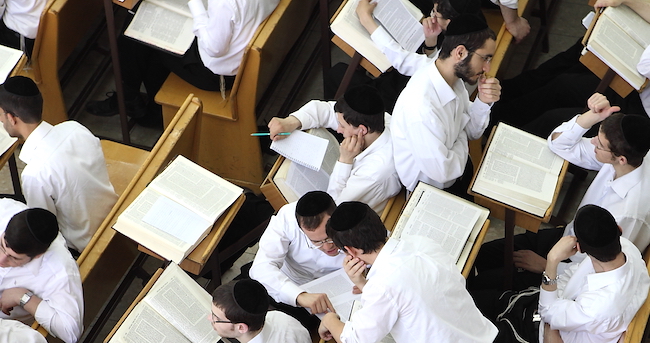
The Internet is the wrong place to learn Torah. You may be surprised to hear that from one who manages the content and technology of Torah.org, a site devoted to teaching Torah, but I'm sure you'll agree it's true — as I'll explain. There are two Torah portions to...

The Setting of a New Day
The first Mishnah asks: "From when do we read the Shema at night? From the time that the Kohanim enter to eat their Terumah." [Brachos 1:1] This is a very complicated answer to a very straightforward question. The Shema is a basic Jewish ritual, required in the Torah...
Holiness has but One Address
The opening verse of Parshas Kedoshim, second of our double reading this week, says “Speak to the entire Congregation of Israel, and you shall say to them, ‘you shall be holy, for I am Holy, Hashem your G-d’” [19:2]. This verse can be read in multiple ways.

Learning Through the Plague
If you don't have time to read this right now, please note that we are starting a new schedule of online classes now offered by rabbis in virtual classrooms as a result of the current quarantine. Please access the schedule, still under construction, and find a new...

The Socially Distant Seder
This Passover is going to be different. Over the last few weeks the world has plunged into an existence I can only describe as Biblical times. No longer do we wonder how a nation can be stricken with a plague, whether that is pestilence, frogs, fiery hail, or the...
A Voluntary Offering, and a Second Chance
This week's reading, the first chapters of Vayikra (Leviticus), discusses various types of voluntary offerings that a person could bring in the Holy Temple — whether from oxen, sheep, doves, or flour. While fulfilling obligations always came first, a person had the...